Water-smart gardening solutions for hot summer gardens

DIY and how-to
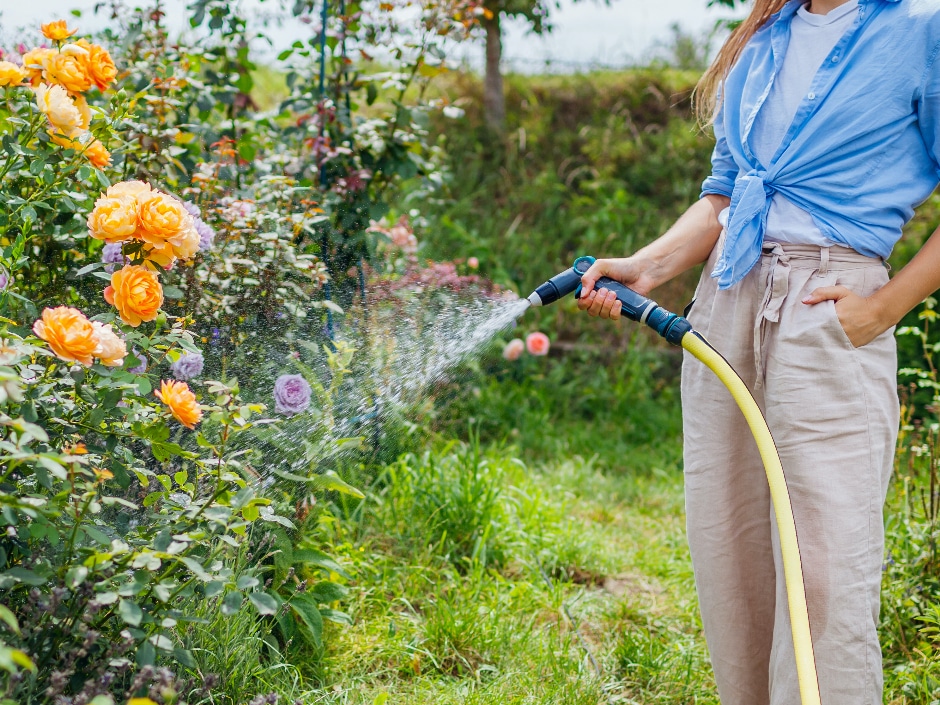
Summer is the season for gatherings and games outdoors, but also a time when your garden can take a beating if you don’t plan your watering schedule well.
Read on to find out what water-smart gardening solutions you can introduce in your garden to help it survive summer.
Why water-smart gardening matters in February
February in South Africa means one thing in your garden: the ultimate pressure test to beat the heat and survive.
This makes February one of the most important months to invest in water-smart gardening habits so that everything from your lawn to your flower beds and kitchen garden can survive the heat spell, and you don’t get a nasty surprise when your water bill arrives.
Even beyond your own home, water-smart gardening is key to overall sustainable gardening, ensuring this precious resource is harvested, stored and used efficiently.
How often should you water your garden in summer?
To encourage deeper root systems in your garden, it’s better to aim for 2-3 times per week of deep watering rather than daily light watering. How often you water your garden is also influenced by these other factors:
Your regional climate
Gauteng’s dry heat, for example, differs from the Western Cape’s hot, bone-dry summers.
Soil Type
Sandy soil drains quickly and may need watering every 2-3 days, while clay soil retains moisture longer and can go 4-5 days between watering.
It’s best to know the type of soil your garden has to plan your watering schedule around.
Plant Types
Established indigenous plants and succulents might only need weekly watering, while vegetable gardens and new plantings need more frequent attention (every 1-2 days during heat waves).
Mulch coverage
Well-mulched gardens can often go twice as long between watering sessions.
Smart watering techniques that actually work
Seasoned gardeners swear by these smart yet simple summer watering tips for a flourishing summer garden:
Slow soak method
Water slowly and deeply so moisture penetrates 15-20cm into the soil.
Use a drip irrigation system, soaker hoses, or simply turn your hose to a trickle at the plant’s base for 10-15 minutes.
New to irrigation? This practical guide to irrigation for beginners is worth a read.
Morning watering
Watering early means less evaporation loss, plants have moisture to cope with the day’s heat, and foliage dries quickly (which reduces the risk of fungal disease).
Evening watering is your second-best option, but avoid midday watering when you can lose up to 50% of water to evaporation before it even reaches the roots.
The finger test before watering
Push your finger 5-7cm into the soil near your plants.
If it feels moist, skip watering that day. If it’s dry, water deeply. This prevents overwatering (which wastes water and can cause root rot) and ensures you’re only watering when plants actually need it. Be flexible with your watering schedule and work with the varying conditions day by day.
Irrigation solutions for efficient water use
The most efficient approach to water-smart gardening in summer often combines multiple solutions. Here are some of the best trusted options.
Drip irrigation systems are ideal for vegetable patches, flower beds, and established shrubs, and are considered the gold standard for water efficiency. While sprinklers can be wasteful through immediate water evaporation, drip systems waste almost nothing.
Smart irrigation controllers replace standard timers and adjust watering schedules based on weather conditions, soil moisture and even seasonal plant needs. Some connect to weather stations or apps, so your system automatically skips watering after rain or during cooler spells.
Rainwater harvesting with irrigation integration involves connecting rainwater tanks directly to your irrigation system with a pump. During summer dry spells, you’re using stored rainwater instead of municipal supply. Pair with a changeover valve so the system switches to mains water only when tanks run low. For more on collecting and storing rainwater, read this guide.
Another environmentally friendly option is using greywater by redirect water from your washing machine, shower or bathroom basin to irrigate gardens (but just be careful to avoid edible crops).
Micro-sprinklers with timers are better than traditional sprinklers, these low-flow options deliver targeted watering to specific zones. Add a timer so watering happens at optimal times (early morning) even when you’re not home. A sprinkler attachment like this micro sprayer head delivers controlled water distribution, ensuring optimal moisture levels for your plants while minimising waste.
Water-smart gardening checklist for February
When in doubt, you can count on these habits for a water-smart garden at the height of summer:
Mulch heavily around plants: Apply a 5-10cm layer of organic mulch to keep soil cool, retain moisture and reduce evaporation during the peak summer heat.
Deadhead and prune spent blooms: Remove faded flowers from your water-wise plants to redirect energy into healthy growth rather than seed production, keeping them looking fresh through late summer.
Check your irrigation system: Inspect drip lines and sprinklers for leaks or blockages, and adjust timers to account for February’s intense heat while avoiding water waste.
Group thirsty plants together: Create hydro-zones in your garden by clustering plants with similar water needs, making it easier to target irrigation where it’s truly needed.
Happy gardening!
Share with friends

You might also like
Shop online
-
-
BIO GANIC LAWNS
- Price range: R159.99 through R299.99
- Select options This product has multiple variants. The options may be chosen on the product page Learn More
-
-
-
PLANT CARE 100ML
- R149.99
- Add to cart Learn More
-