Why your plants struggle in winter (and how to fix it)

DIY and how-to
Though winter is a dormant season for your garden, it’s tempting to stick to your summer gardening routine – either out of habit, because you’re worried about your garden not thriving, or even just because you enjoy the mental and physical health benefits of spending time in your outdoor sanctuary.
But what is the correct approach?
Why winter gardening is different in South Africa
Winter is a special season that in South Africa is timed as a reset: saying goodbye to the season that was, going into hibernation to recharge and energise, and paving the way for a beautiful, blossoming spring.
Winter gardening changes for a few reasons:
- Shorter days combined with lower light intensity means that photosynthesis (the system of processes that enable a plant to grow) slows down. Cooler temperatures slow plant metabolism, water uptake and nutrient absorption, leading to dormancy or sluggish plant growth.
- Linked to lower temperatures, there’s less energy available to convert water into vapour. And with fewer daylight hours and lower sun intensity, the normal evaporation a plant would experience reduces significantly.
Indoor vs outdoor plants in winter
Your garden and houseplants environment changes naturally during winter so you need to pay attention to help them survive the season and flourish
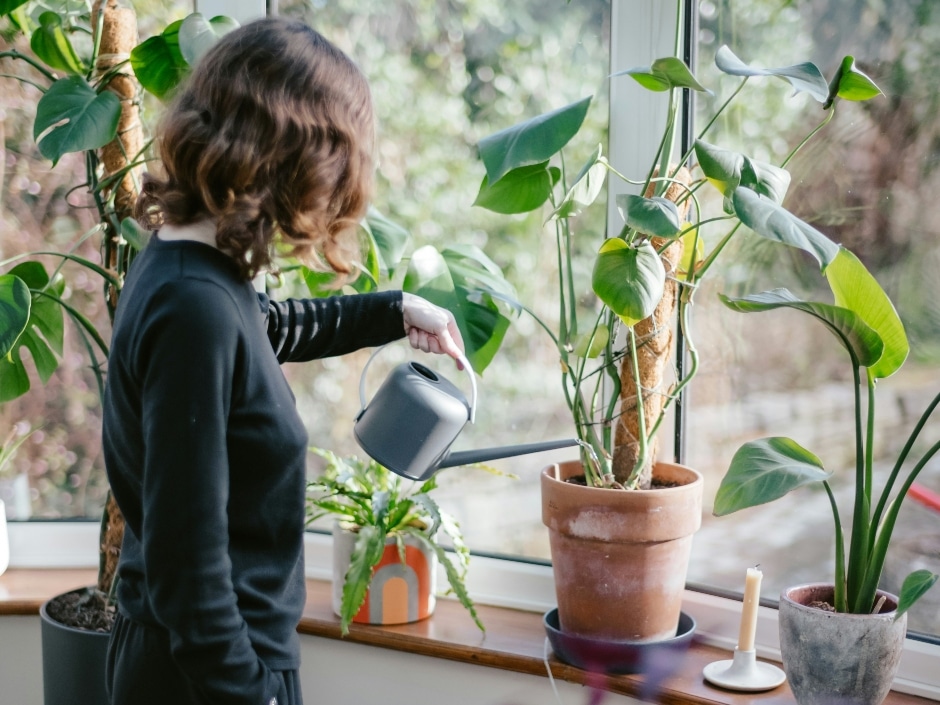
For example, less light means your indoor plants need to be moved closer to light sources like windows and doorways. For all plants, evaporation slows down, which means you can adjust your watering schedule to be less frequent and adapt it to your plants’ needs.
Read on to learn the five common mistakes beginner gardeners make during winter, and how to avoid them.
Mistake 1: Overwatering your plants in winter
While peak summer heat demanded frequent watering to keep your lawn and plants alive, now that we’re transitioning into the chilly season, your plants don’t need as much water.
A big mistake is not adjusting your watering routine, and risking overwatering your plants. This can will result in root rot.
Before watering, first check that the top layer of soil is dry, and after watering, insulate your plants with mulch. This will help your plants survive the cold season.
Mulching is an easy, cost-effective tactic you can use in the garden that helps conserve and trap in moisture and insulate your plant roots. This beginners guide to mulching is a great place to start to learn more about the benefits and how to get this right.
Mistake 2: Not adjusting light for indoor plants
The same way you switch your house lights on a bit earlier in the mornings and evenings, your indoor plants are also adjusting to the daylight hours, too.
Reposition them to ensure they get the light they need in order to grow and flourish.
The bonus is that this gives your indoor space a mini facelift – a welcome change that your plants will thank you for.
Mistake 3: Feeding plants incorrectly (or not at all)
Winter signals a slow-growth phase for your plants, so your feeding routine needs to be adjusted accordingly.
Avoid the temptation to over-fertilise. The excess salts build up in the soil, burning roots and causing more harm than good. It’s better to feed lightly or not at all, resuming regular feeding as spring growth picks up.
Indoor plants need to be part of your plant-feeding plan just as much as your garden plants or lawn. Learn the basics of fertilising indoor plants for tips to help your houseplants thrive.
Mistake 4: Ignoring temperature drops and frost
This is particularly relevant to novice Highveld gardeners, as the region is more prone to extreme temperatures in winter.
The greatest risk of underestimating the winter temperatures is plant damage. Frost ruptures plant cells, causing blackened, mushy leaves and stems that often can’t recover, meaning all the care you’ve put into your plants during summer, and through autumn, goes to waste.
Bear in mind that tender plants like succulents, citrus and tropical varieties are especially vulnerable.
Your first defence is keeping an eye on weather forecasts, and protecting your green darlings with these protective measures:
- Frost cloth
- Moving pots indoors
- Watering before a frost (which releases heat as it freezes)
Mistake 5: Pruning at the wrong time
Don’t delay pruning till spring as your garden will feel the impact. This stimulates fresh, soft new growth that is highly vulnerable to late frost damage – undoing both the pruning effort and the plant’s stored energy reserves.
The rule of thumb is to keep a watchful eye on your plants’ growth; the right signal is when the plant is dormant and at least 4 – 6 weeks of frost-free weather lies ahead.
Here’s a regional guide:
- Johannesburg: Prune June to July. Winters are cold and dry with clear dormancy periods, making timing more straightforward.
- Cape Town: Prune July to August. The wet winter climate means timing around rain is important; avoid pruning in persistent damp, which encourages fungal disease.
Learn more about how to get winter pruning right in this guide.
How to keep your garden healthy through winter
A healthy garden starts with being mindful of our gardening habits.
By bearing in mind these common winter gardening mistakes, and changing your gardening routine with the seasons, you give your lawn, flower beds, trees, shrubs and more an a good chance of thriving through to spring.
If you’re ever unsure about how to remedy a garden mistake – or perhaps need advice to avoid one – our friendly expert staff at Stodels Garden Centres have the answers.
Share with friends

You might also like
Shop online
-
-
KOI PELLETS LARGE 2KG OR 6KG
- Price range: R179.99 through R449.99
- Select options This product has multiple variants. The options may be chosen on the product page Learn More
-