The ultimate fiddle leaf fig survival guide

DIY and how-to
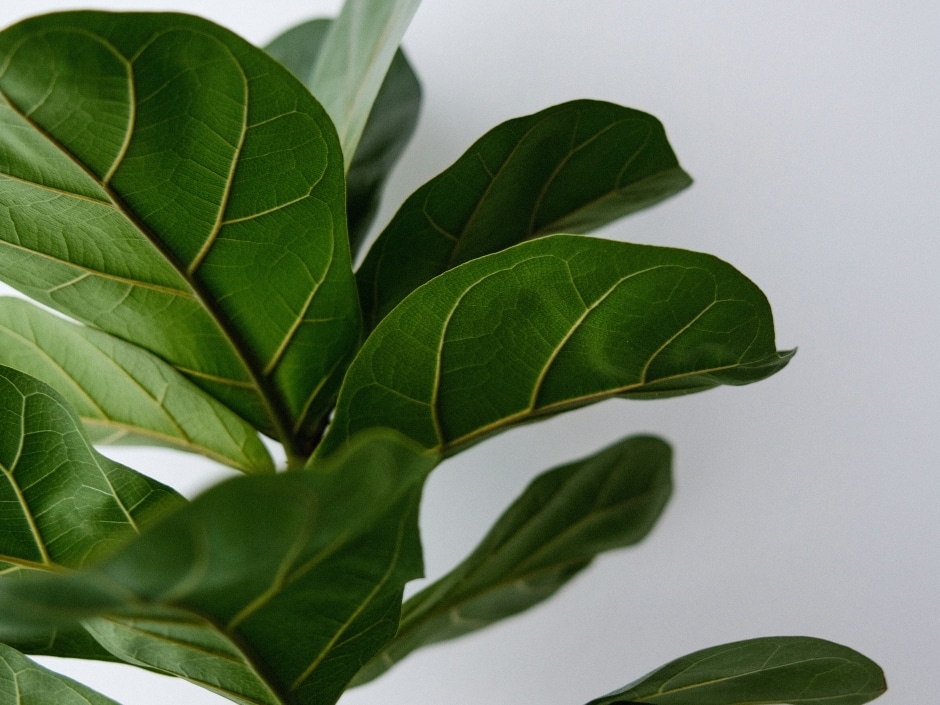
Fiddle leaf figs are one of the most striking statement plants you can add to your home, bringing a unique shape and shiny green pop of colour to your space.
But during the cooler months, this special indoor plant needs some extra care to ensure it survives and thrives.
In this blog, we look at where to place your fiddle leaf fig in your home for optimal results, address common problems that fellow plant owners have (and how to prevent these), and share expert tips for indoor plants in South Africa.
Why light is the most important factor for fiddle leaf figs
To understand a plant’s ideal growing environment, it’s always good to go back to its roots (excuse the pun).
In the case of the fiddle leaf fig: this plant evolved in bright, tropical rainforest environments, making intense light essential for photosynthesis and healthy growth.
Without adequate bright, indirect light, they drop leaves, grow slowly, and become vulnerable to root rot and other stress-related diseases.
Have questions about your other indoor plants? We answer them in this Q&A.
How much light does a fiddle leaf fig need?
Fiddle leaf figs need bright, indirect light for between 6 and 8 hours daily. No dark corners for these beauts!
Place yours near a south- or west-facing window, but shield them from harsh direct sun, which can scorch leaves. Rotating its pot periodically ensures even growth on all sides, especially in winter.
Where to place a fiddle leaf fig in your home
If light is key to your fiddle leaf fig’s happiness and growth, then this will be a factor when deciding where to place your plant in your home.
A bright living room or conservatory with consistent natural light will guarantee perfect light conditions.
Avoid positioning it near air vents, heaters or air conditioners, as they hate temperature fluctuations.
Consistency is also quite important for this plant. Once your fiddle leaf fig is happy in a spot, avoid moving it, as they’re sensitive to change and will drop leaves in protest.
Want to discover other plants that thrive in medium light? Here’s our guide.
Signs your fiddle leaf fig isn’t getting enough light
So, you’ve positioned your fiddle leaf fig in a new spot in your home – but something isn’t right. Here are signs that your plant isn’t getting enough light:
Leggy, stretched growth Long stems with wide gaps between leaves as it reaches toward light
Small new leaves Fresh growth comes in noticeably smaller than established leaves
Leaf drop Leaves yellow and fall, often starting with lower leaves
Dull, dark green colour Those familiar glossy green leaves have lost their vibrance, and are replaced with a dull version of themselves
Root rot risk increases Soil stays wet too long without light to aid evaporation, inviting fungal problems
We also unpacked six common houseplant problems here so that you can troubleshoot and get your plants from surviving to thriving.
How to keep your fiddle leaf fig thriving year-round
We’ve summarised your seasonal guide to a happy, healthy fiddle leaf fig plant so that you don’t need to do any guessing.
Spring & summer (growing season)
- Move closer to the window to maximise light
- Water when the top 5cm of soil is dry
- Feed monthly with a liquid fertiliser high in nitrogen
- Wipe leaves with a damp cloth to remove dust and boost light absorption
- Repot if roots are escaping drainage holes
Autumn
- Gradually reduce watering as growth slows
- Stop fertilising by late autumn
- Avoid moving the plant as light conditions shift
Winter
- Keep away from cold windows and draughts
- Water sparingly – overwatering in winter is the top killer
- Don’t fertilise – the plant is resting
- A grow light can help in darker months
All you need for your fiddle leaf fig to thrive
Whether it’s a beautiful planter, potting soil, fertiliser or just advice you need to keep your fiddle leaf fig growing abundantly, come visit us at your nearest Stodels garden centre.
Share with friends

You might also like
Shop online
-
-
TERRACOTTA POT ROSE
- Price range: R24.99 through R39.99
- Select options This product has multiple variants. The options may be chosen on the product page Learn More
-