Low-maintenance shrubs and why you need them in your garden

DIY and how-to
Low-maintenance shrubs are the unsung heroes of the garden – hardy, resilient plants that ask for very little yet give back abundantly.
Unlike high-maintenance ornamentals that demand constant pruning and feeding, low-maintenance shrubs are well-adapted to their environment, able to thrive with minimal watering, infrequent fertilising, and only the occasional trim.
For us, this means choosing plants that are naturally suited to local conditions – whether that’s the summer rainfall of Gauteng, or the winter-wet climate of the Western Cape. These are plants that establish themselves with ease, shrug off periods of drought, and keep the garden looking good season after season.
Why low-maintenance shrubs are ideal for South African gardens
Our diverse and often demanding climate makes low-maintenance plants not just a convenience, but a practical necessity for most gardeners.
Much of the country experiences prolonged dry spells, water restrictions, and intense summer heat that can quickly overwhelm plants that need constant attention and irrigation. Water scarcity is a very real concern, making drought-tolerant, self-sufficient plants a responsible choice as much as a practical one.
Beyond water, many of the soil types naturally found on our shores are nutrient-poor and rocky, ie conditions that exotic, high-maintenance plants struggle to cope with.
Low-maintenance shrubs, particularly indigenous species, have evolved to handle these exact challenges – thin soils, fierce sun, seasonal drought, and even the occasional veld fire.
They also tend to support local biodiversity, providing food and shelter for birds, bees, and butterflies that are perfectly attuned to them.
Are you a beginner gardener? Here’s your guide to low-maintenance plants to get you started.
The best low-maintenance shrubs to plant now
So, you want to plant some water-wise shrubs, but aren’t sure which to choose. Luckily, we’ve done the thinking for you. Here are five of our favourites:
1. Plumbago
A water-wise shrub of note, plumbago is virtually indestructible once established.
It produces masses of delicate sky-blue flowers for most of the year and thrives in full sun with very little watering. It’s fast-growing, tolerates poor soils, and can be used as a hedge, a filler, or a sprawling backdrop shrub.
Birds and butterflies love it, and it asks for almost nothing in return.
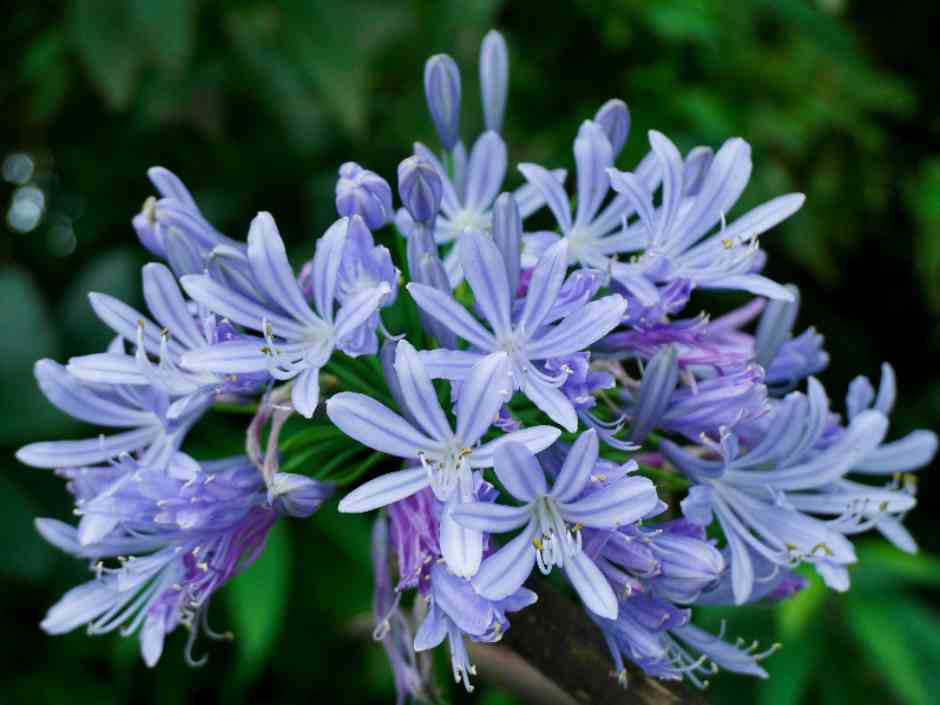
2. Agapanthus
A classic, agapanthus is as tough as it is beautiful.
Its strappy green leaves and tall stems of blue or white flowers are a familiar sight in gardens across the country. It handles drought, poor soil and neglect with ease, and looks equally at home in a formal garden bed or a wild, naturalistic planting.
Divide the clumps every few years and it will reward you indefinitely.
3. Spekboom
No list of low-maintenance shrubs would be complete without spekboom.
This remarkable succulent thrives in hot, dry conditions and is extraordinarily forgiving – it can survive months without water and grow in almost any soil.
Beyond its toughness, spekboom is a carbon-sequestering powerhouse and a favourite food source for birds and insects. It can be grown as a dense hedge, a container plant, or left to grow freely as a feature shrub.
4. Wild sage
Indigenous to the Western Cape, wild sage is a wonderfully aromatic, silver-leaved fynbos shrub that thrives in dry, sandy soils and full sun.
Its unusual rust-brown and golden flowers attract sunbirds and bees, making it a brilliant choice for a wildlife-friendly garden. It is highly drought-resistant, needs virtually no fertilising, and only benefits from a light trim after flowering to keep it neat and bushy.
5. Ribbon bush
A versatile and underrated indigenous shrub, the ribbon bush produces stunning sprays of purple and white flowers in autumn and winter – exactly when most other plants are past their best.
It grows happily in sun or semi-shade, tolerates a range of soil types, and requires very little water once established. It’s particularly useful for adding colour to shaded spots under trees, where many other shrubs struggle.
Indigenous vs non-indigenous shrubs: what to choose
The most practical approach is to lead with indigenous shrubs and supplement thoughtfully with non-invasive exotics where needed.
Start by identifying which biome your garden falls within – fynbos, bushveld, grassland, and so on – and prioritise shrubs that naturally occur in that biome.
From there, you can layer in non-indigenous species that complement your indigenous backbone without threatening it. For region-specific advice, chat with one of our friendly garden centre experts, or book a consultant-on-call for a consultation from the comfort of your home.
For more tips and inspiration for indigenous garden colour ideas, read this guide.
Share with friends

You might also like
Shop online
-
-
MINI ADULT 2KG
- R332.99
- Add to cart Learn More
-