Benefits of using compost in your garden

DIY and how-to
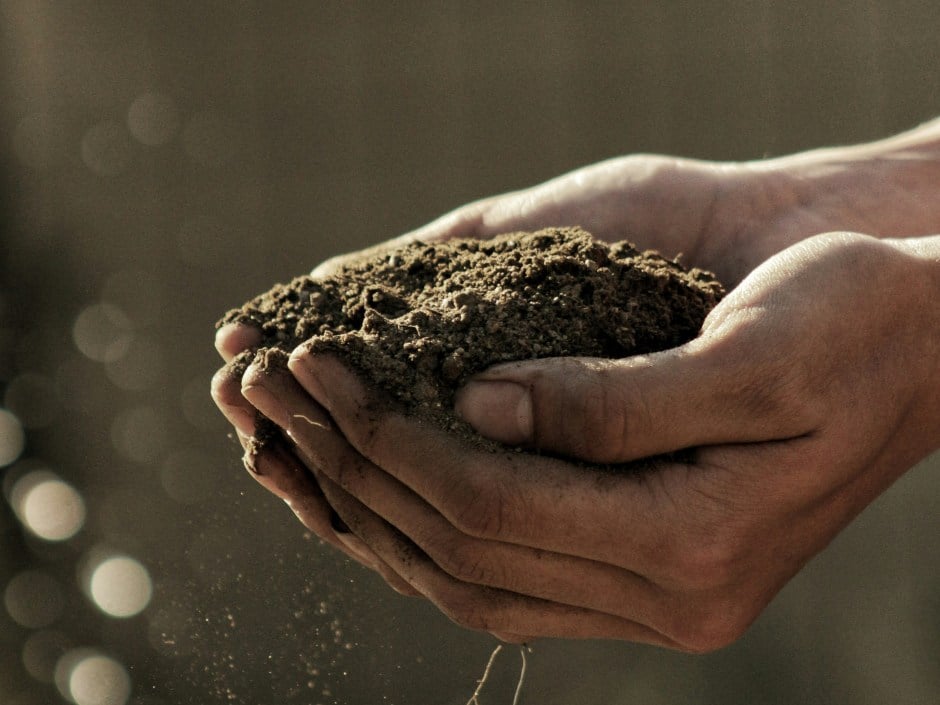
You may be familiar with the idea of a compost heap grown in your backyard using kitchen scraps. Kitchen scraps are just one type of organic matter that make up garden compost – nature’s own superfood for your garden.
Read on to learn more about the benefits of using compost in your garden.
What is compost and why does it matter?
Compost is a rich, crumbly material made from decomposed organic matter including kitchen scraps, fallen leaves and grass cuttings.
When worked into your garden beds and borders, it works wonders for soil health by improving drainage in heavy clay soils, helping sandy soils retain moisture, and feeding the billions of beneficial microbes that keep your earth alive and thriving.
Think of compost for plants as a slow-release fertiliser that nourishes roots over time, rather than delivering a quick chemical hit. This nourishment comes with its own unique set of benefits. Here we unpack the top compost benefits.
Compost benefit 1: Improves soil structure and health
Garden compost improves soil by binding loose sandy particles together to retain moisture, while breaking up dense clay soils to allow better drainage and airflow.
It feeds vital microorganisms that release nutrients, suppresses harmful pathogens, boosts earthworm activity, and gradually enriches soil with organic matter – building long-term fertility and resilience.
Looking for a beginner-friendly guide to composting? Read this.
Compost benefit 2: Boosts plant growth naturally
Compost feeds plants by slowly releasing essential nutrients like nitrogen, phosphorus and potassium as it breaks down – without the harsh effects that can be associated with some synthetic fertilisers.
It improves root development by creating loose, well-aerated soil, helps retain moisture during dry spells, and encourages beneficial microbes that protect against disease.
The result? Stronger, healthier plants that grow more naturally and sustainably.
Compost benefit 3: Helps retain soil moisture
We know that in our unique and varied landscape, many regions experience hot summers, irregular rainfall and periodic drought. Because compost acts like a sponge built into soil, it caters to the unique needs of plants across these regions.
For example, in sandy soils, which drain too quickly, compost binds particles together to improve water retention.
In clay soils, on the other hand, it opens up the structure so water is absorbed more evenly rather than pooling on the surface.
The practical benefits are clear: gardens need less frequent watering, which saves time, reduces water bills, and is better for our environment.
Mulching is another way to trap moisture into the ground and reduce your water bill. Learn more about this water-saving hack with our beginner’s guide to mulching.
Compost benefit 4: Reduces the need for chemical fertilisers
Because compost releases elements as it breaks down, it feeds plants naturally over time.
It also improves soil biology, helping roots absorb nutrients more efficiently – reducing dependence on costly, harsh chemical fertilisers that can damage soil health in the long term.
Compost benefit 5: Encourages healthy microbial activity
Simply put, compost is a thriving ecosystem.
When you add it to your soil, you’re introducing and feeding billions of beneficial microorganisms that are essential to a healthy garden.
These microbes break down organic matter into simpler compounds, releasing nutrients in a form that plant roots can actually absorb.
Compost also provides the carbon-rich food source that microbial communities need to survive and multiply. As their populations grow, they outcompete harmful pathogens, suppressing soil-borne diseases naturally.
Earthworms are drawn to compost-rich soil, too, and as they move through it they aerate the ground and leave behind nutrient-dense castings that further feed the microbial web.
How and when to apply compost in South African gardens
Timing your compost application well is important. There are two ideal windows:
1. The start of spring, just before the growing season kicks in: this gives plants a nutrient boost right when they need it most.
2. In autumn: adding compost helps replenish soil that has been depleted over summer and protects it through the cooler months.
Dig down to it
The most common method to apply compost is by digging it into your beds before planting.
Work a generous layer of around 5 to 10cm into the top 20 to 30cm of soil. This gets it close to the root zone where it does the most good.
For established plants and trees, spread compost as a top dressing around the base, keeping it a few centimetres away from the stem or trunk to avoid rot. Over time, rain and earthworms will draw it down into the soil naturally.
For your lawn, a thin layer of finely textured compost can be spread across the surface and lightly raked in, improving the soil beneath without smothering the grass.
For vegetable gardens, it’s worth adding compost at the start of each new planting cycle to keep soil consistently fertile. In frost-free regions like the Western Cape, where gardens grow year-round, light applications every few months will maintain soil health continuously.
Keen to make your own compost? Use this guide.
If you have specific questions about using compost in your garden, our garden centre experts are ready to assist. Visit your nearest garden centre today and take the step to better soil and garden health.
Share with friends

You might also like
Shop online