
Start your own Veggie Patch

Kitchen gardening
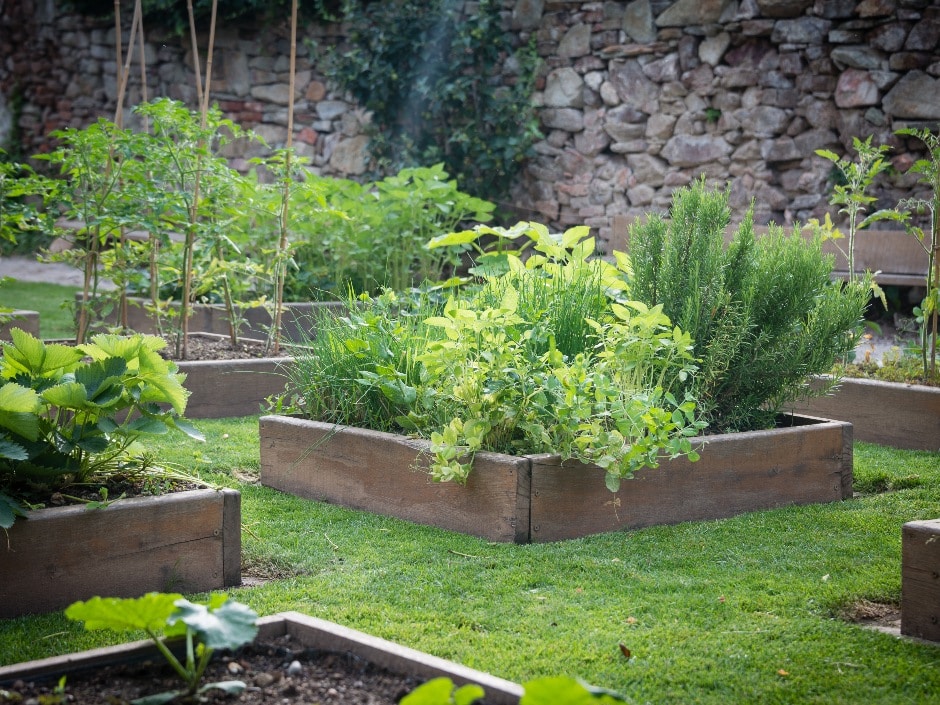
Start your own Veggie Patch
Why not kick the year off to a healthy start by establishing your own vegetable patch in your garden? You’ll save so much on fresh produce, plus you’re likely to eat vegetables more frequently if they’re growing right outside in your garden. Gone are the days when a vegetable patch was stuck away in an obscure corner of the garden. With the wide range of ornamental lettuces and attractive crops available today, your vegetable patch should have pride of place as a focal point of your garden.
Here are a few tips to get you started :
- Most vegetables need lots of sunlight (at least 8 hours a day) for optimal growth, so make sure you choose a sunny area of the garden for your veggie patch.
- Soil preparation is very important. If you want healthy veggies, you need to ensure they have healthy soil to feed on. Add 4 spadefuls of compost to every square metre of soil. Compost also helps to improve the drainage of the soil, which is vital for healthy growth of plants.
- Stagger your sowing. To ensure a steady supply of veggies throughout the growing season, it’s important to sow smaller amounts of each type of vegetable at two-week intervals. This way you’ll have a fresh crop of each vegetable available every few weeks, rather than a glut of veggies, followed by weeks when nothing can be harvested.
- Practise crop rotation. Crop rotation helps to keep your soil healthy by preventing the soil from being depleted of any nutrients. The basic rule for crop rotation is: don’t plant the same veggie in the same spot two years in a row. For example, if you have planted a leafy vegetable, like spinach, in a certain area of the soil one year, then make sure you plant a legume, like beans in that spot the next year. This will ensure that the soil does not get depleted of nitrogen (which is required for leafy growth).
- You can sow the following vegetables in your veggie patch now: artichokes, beans, beetroot, broccoli, Brussels sprouts, cabbage, carrots, cauliflower, leeks, lettuce, marrows, potatoes, spinach and squash. Keep the soil moist until the seeds have germinated and the first shoots appear. Thereafter water as needed.
Share with friends

You might also like
Shop online
-

-
Sale!
SAVOUR EXIGENT 400G , 2KG , 4KG OR 10KG
- Price range: R95.99 through R1,359.99
- Select options This product has multiple variants. The options may be chosen on the product page Learn More
-
Sale!
-

-
PYROL 250ML OR 500ML
- Price range: R219.99 through R349.99
- Select options This product has multiple variants. The options may be chosen on the product page Learn More
-
-

-
MIXED BIRD FOOD 1KG | 2KG | 5KG | 10KG
- R44.99
- Select options This product has multiple variants. The options may be chosen on the product page Learn More
-