Grow your own Swiss Chard

Kitchen gardening
Grow your own Swiss Chard
Swiss chard is very similar to spinach, but it has the added advantages of being heat tolerant, easy to grow and more productive. It is available in many varieties, including Fordhook Giant (dark green leaves with white veins), Lucullus (long, light green leaves), Bright Lights (dark green leaves with yellow, orange or red veins) and the indigenous Marogo. Swiss chard tastes virtually the same as spinach and can thus act as a substitute for spinach in any dish.
Planting tips:
- Sow Swiss chard seeds in a sunny, wind-free spot in your garden. Dig the soil up well and enrich with bone meal and compost.
- After sowing, keep the soil moist, but not waterlogged. Feed once every two weeks with liquid fertiliser.
- Once the seedlings are well established (with two or three leaves on each plant), thin them out to a distance of 20cm apart.
- Your Swiss chard will be ready for harvesting approximately eight weeks after sowing.
Did you know?
Swiss chard is packed with cancer-fighting nutrients like iron, manganese, vitamins C and K and folic acid. It is particularly effective at warding off cancers of the digestive tract.
Share with friends

You might also like
Shop online
-
-
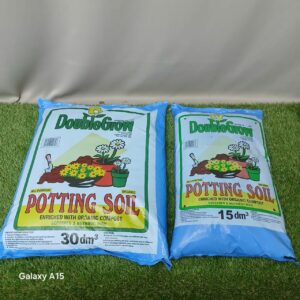
DG POTTING SOIL 15DM OR 30DM
- Price range: R29.99 through R44.99
- Select options This product has multiple variants. The options may be chosen on the product page Learn More
-
-
-
Sale!
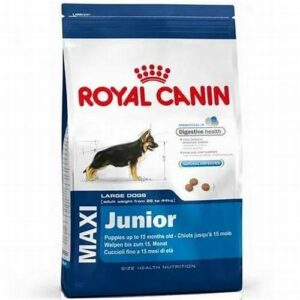
MAXI JUNIOR 4KG
- Original price was: R674.99.R539.99Current price is: R539.99.
- Add to cart Learn More
-
Sale!
-
-
Sale!
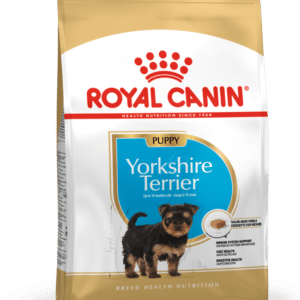
YORKSHIRE JUNIOR 500G OR 1.5KG
- Original price was: R329.99.R263.99Current price is: R263.99.
- Select options This product has multiple variants. The options may be chosen on the product page Learn More
-
Sale!