EVENTS AT STODELS

Come meet Keith Kirsten, and enjoy a talk and a FREE cup of coffee with him at our Bellville branch on 10 April at 10am.
Doors close at 10am, first come first served.
YOUR DAILY TIPS
FREE GARDENING WORKSHOPS
Want to teach your gardener the basics of gardening, like pruning, planting, feeding and dealing with garden pests?
Then make sure you sign them up for our a FREE 4-week gardening workshops.
For more information contact your nearest Stodels Branch.
IN THE GARDEN THIS MONTH
Each week newspapers and magazines are filled with stories about the deteriorating state of our planet due to pollution and global warming.
It can make for pretty dismal reading, unless you consider the flip side: the things that you can do to reduce these bad effects.
This month’s newsletter focuses on INDIGENOUS plants and ORGANIC gardening.
Indigenous plants help to save water and require far less attention to flourish, while ORGANIC garden products are kinder to the soil, and won’t harm beneficial insects and pets.
We had a great response to the “Grow your own” section to last month’s newsletter. This month we focus on easy-to-grow strawberries. Please keep sending me your suggestions.
If you have any other questions, or comments, please send them my way. I look forward to seeing you at one of our branches in Bellville, Kenilworth or Milnerton soon!
|staff member of the month
service with a smile
Each month we recognise one staff member at each of our three branches for their excellent customer service, positive attitude and enthusiasm. Please help us to identify these staff members by letting us know when you’ve received exceptional service.
Bellville branch: Lucy Nsoko, Lucy’s friendly manner and superb knowledge make her a firm favourite with customers at our Bellville branch. She never gives up on any task or request, and always strives for excellence in everything that she does.
Kenilworth branch: Hilton Shand, Hilton is looking after our fertilizers and east pots. He is always eager to go the extra mile, and treats every customer like a King. He has become quite popular with customers that ask for him by name. No task is ever too big, and he assists where ever he can.
Milnerton branch: Givemore Choga, Givemore is in charge of the organic section at our Milnerton branch and he has truly lived up to his name here. He always strives to give the best service possible and many customers have commented on his excellent advice.
gardening in march
gardening advice and tips
Herb of the Month : Garlic
April is bulb month, and that means it’s time to plant garlic too. Here’s how.
Planting Tips:
-
Choose a sunny spot in your garden where the soil drains well.
-
Dig up the soil to a spade’s depth and mix in lots of compost and bone meal.
-
Look for the largest garlic bulbs you can find at the supermarket. Gently remove the outer skin from the bulb and separate the cloves inside.
-
Choose the biggest cloves and plant them in an upright position about 2cm under the soil.
-
Water well and keep the soil free of weeds.
-
Your garlic will be ready for harvesting when the foliage turns a yellowy brown colour in the summer.
How to use them :
-
Garlic is the most effective natural antibiotic known to man. It reduces cholesterol, lowers blood pressure, clears up acne, athlete’s foot and boils, and it’s an excellent cold and flu fighter!
Grow your own Strawberries!
Summer isn’t complete without strawberries and ice cream! Here’s how to plant your own – right in your backyard.
Planting Tips:
-
Strawberries thrive in well-drained fertile soil, so make sure you mix in lots of compost before planting.
-
Choose a spot that gets at least 6 hours of sunlight every day.
-
Plant strawberry runners about 30cm apart in rows that are about 1m apart. After planting, the crown (where the leaves come out) should be at ground level.
-
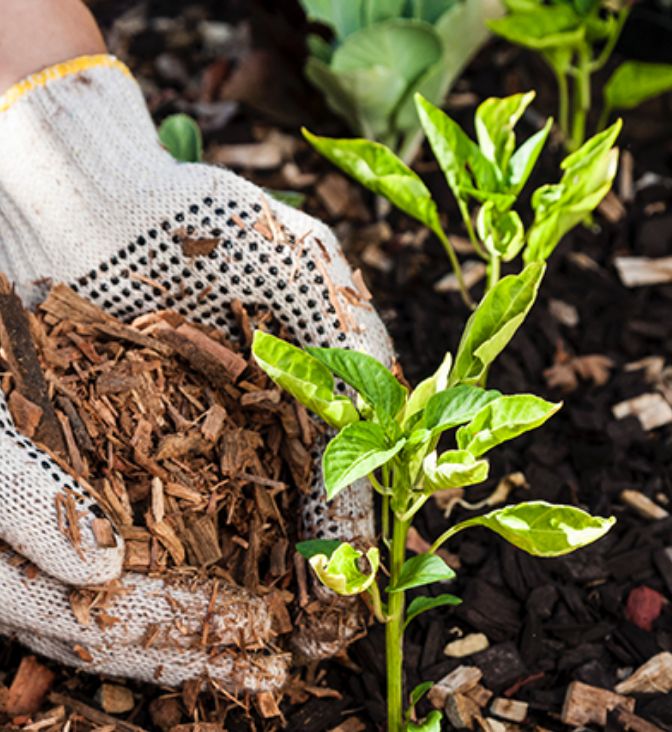
Cover the soil with an extra layer of compost to act as mulch and water regularly.
Did you know ? - Strawberries are low in calories and they contain more vitamin C than oranges
Bulb Blitz ...
One of nature’s most spectacular transformations is the way in which a humble flower bulb develops into a magnificent burst of colourful petals in spring. We have a wide selection of exotic and indigenous bulbs in stock at our three branches.
Here are some tips to get you started :
-
Wait until the soil has cooled down before planting bulbs. This is usually around the middle of April. An ideal time to plant is after the first heavy rains.
-
Choose your planting spot carefully. A flower bed next to a sunny wall or paving will be too hot – bulbs need cool soil to develop.
-
Prepare the soil with a good dose of flower bulb food.
-
Follow the planting instructions on the pack – different bulb varieties need to be planted at different depths, and some bulbs need more sun than others.
-
Cover the soil with 3cm of mulch after planting. This will help to keep the bulbs moist and cool.
-
Water is the most important ingredient in the entire bulb-growing process. The roots of bulbs must always be kept moist.
-
Not sure how much to water? Bulbs need the equivalent of 25mm of rain a week - that equates to running your sprinkler for 45min every 4 days.
Experiment with INDIGENOUS varieties like ixias, freesias, sparaxis, chincherinchees, tritonias and babianas. If you leave them in the soil, they’ll come up year after year.
Lemon Aid
If you asked a sample of gardeners to list their favourite trees, chances are good that “lemon tree” would feature prominently. It’s not hard to understand why: the combination of glossy green leaves, dainty blossoms and bright yellow fruit forms a very attractive package.
Here’s how to look after these amazing trees :
-
Lemon trees fare best in a warm, sunny position that is sheltered from the wind. Don’t worry if you have limited outdoor space – they grow well in pots too.
-
They can be planted at any time of year, but April is ideal due to the relatively mild weather conditions.
-
Your lemon tree will thrive if you feed it three times a year with 3.1.5 (ORGANIC alternatives are Wonder Rose or Bounce Back) and a handful of Epsom Salts.
-
Check the leaves regularly for signs of citrus psylla (bumps on the surface of the leaves). You can treat this by spraying with an insecticide like Garden Ripcord (use Bioneem for an ORGANIC alternative).
There are two main lemon tree varieties – choose the one that best suits your needs.
-
Meyer is a smaller tree that does well in pots. The fruit is juicy and slightly less sour.
-
Eureka is a medium tree that produces fruit almost all year round. The skin of the lemons has a rougher, bumpy appearance.
Orchids made Easy
There aren’t many flowers that can rival the beauty of an orchid. Unfortunately, orchids also have a reputation for being way too complicated and fussy for the average potplant-loving person to take care of.
The good news is that the cymbidium variety is made of sterner stuff and it will tolerate a fair amount of neglect. Start out with cymbidiums and then move on to the other varieties once you have the hang of it.
Here are some easy tips for happy cymbidiums :
-
Place your cymbidium plant in a spot where it will receive bright light, but no direct sunlight.
-
Make sure it is not positioned in a draft.
-
Water it three times a week (use a spray gun to gently mist water onto the plant if you can), but make sure that the roots never stand in a pool of water.
-
Feed your cymbidium with a liquid fertilizer like Seagro or Nitrosol once a month.
-
Cymbidiums like being potbound – so only repot them when absolutely necessary.
Shady Characters
As the days get shorter, you’ll find that large parts of your garden will be in shade for most of the day. Most plants need some sunlight to survive, but there are a few exceptions.
We’ve put together a list of INDIGENOUS plants that thrive in the shade :
-
Clivias grow very well in dense shade under evergreen trees, especially if the soil is rich and loamy.
-
Arum lilies thrive in the shade, especially if they’re planted close to water.
-
Asparagus fern is a shade lover that looks particularly striking when interplanted with other shade-loving species.
-
Plectranthus Mona’s Lavender is extremely versatile – it grows equally well (and quickly!) in shade and full sun.
-
Agapanthus Tinkerbell has attractive cream and green striped foliage, It does well in semi-shade and should thus be planted at the edges of shady areas.
-
Asparagus fern is a shade lover that looks particularly striking when interplanted with other shade-loving species.
On Your to-do List for April
-
Plant proteas, pincushions and ericas in rocky, sandy spots in your garden where the irrigation system doesn’t reach. They really do thrive on neglect!
-
Collect fallen autumn leaves to use as mulch or on your compost heap.
-
Feed azaleas, camellias and tea bushes with a handful of 3.1.5 per bush (ORGANIC alternative: Wonder Rose).
-
Spray roses fortnightly with Efekto Funginex to prevent black spot from developing (ORGANIC alternative: Dithane WG).
-
April is a good month to top-dress your lawn as there is still enough warmth to encourage the grass to grow through the dressing and absorb the nutrients. Top-dressing can also help to even out the surface of your lawn.
-
Plant seedlings like cinerarias, lobelias, snapdragons, delphiniums and larkspur. Surround your new seedlings with little piles of snail bait like Sluggem or the ORGANIC Ferramol.
-
Repot potted plants that have outgrown their containers. Here’s how: Choose a pot two sizes bigger. Carefully remove the plant from its pot. Cut back any dead or straggly roots and tease out tangled roots. Place it in the new pot with a fresh helping of potting soil and some liquid plant food. Firm the plant in place and water well.
-
Plant Shade Over and Evergreen lawns in the shady areas of your garden.