What causes algae in aquariums?

DIY and how-to
What causes algae in aquariums?
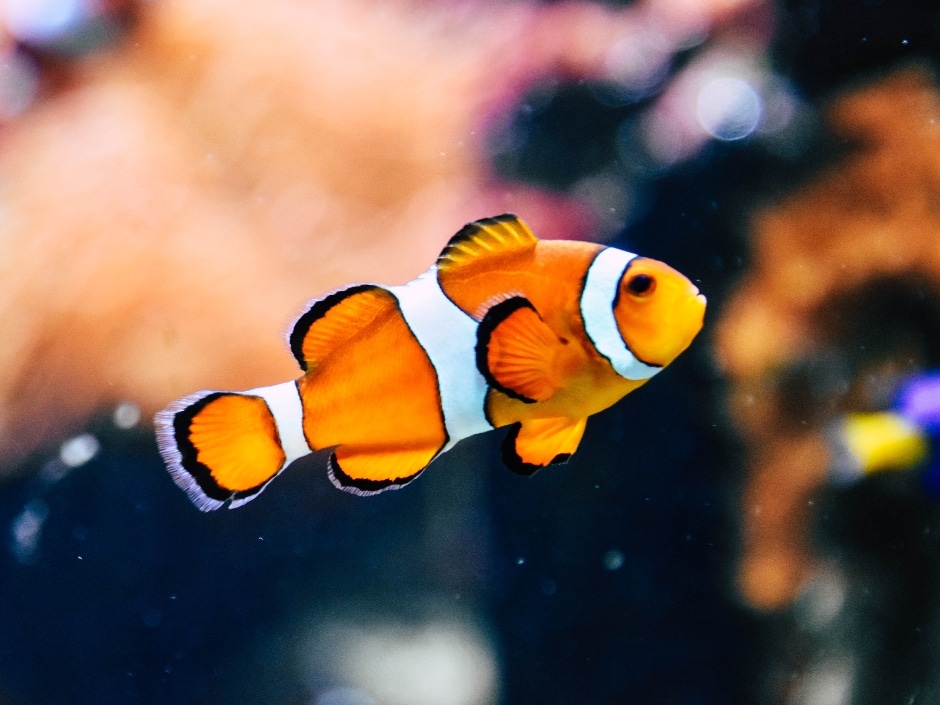
There are three things needed for algae to grow in a fish aquarium: water, light and nutrients. Since all three are also vital to the fish, you can’t eliminate them, but there are steps you can take to help minimise algae growth.
Water
When algae growth appears, make an initial 20% water change for five to seven days until the water is clear again. Once the algae are gone, continue to make a 20% water change twice a week to help prevent growth from recurring.
Light
If you’re using a hooded light, place the light on a timer and minimise the amount of time the light is on. If your aquarium is in a sunny spot, move it away from direct sunlight or place something over the side of the aquarium receiving the most light.
Nutrients
When fish eat, they produce waste in their water, producing algae nutrients. So, it is important not to overfeed your fish. Also, be sure to remove any dead fish from the water immediately since the decay is unhealthy for the other fish and adds more nutrients for the algae.
Algae-eating fish
Several fish eat algae such as Siamese Algae Eaters and Plecostomus Catfish (Pleco), which can help manage the amount of algae in your tank. It is important to realise, however, that the Pleco can become very large and the 8cm fish you brought home for your aquarium may eventually become more than 30cm long.
Chemicals
Several chemicals on the market will help remove algae, but keeping the aquarium as natural as possible is best. Water changes, light control and keeping the aquarium clean are the best defence in keeping algae from returning.
Share with friends

You might also like
Shop online
-

-
CONSULTANTS ON CALL
- Price range: R350.00 through R500.00
- Select options This product has multiple variants. The options may be chosen on the product page Learn More
-
-
-
TERRACOTTA POT PROVINCE
- Price range: R299.99 through R1,199.99
- Select options This product has multiple variants. The options may be chosen on the product page Learn More
-
-
-
VITASOIL 3DM
- R119.99
- Add to cart Learn More
-