
Choosing a pet rat

DIY and how-to
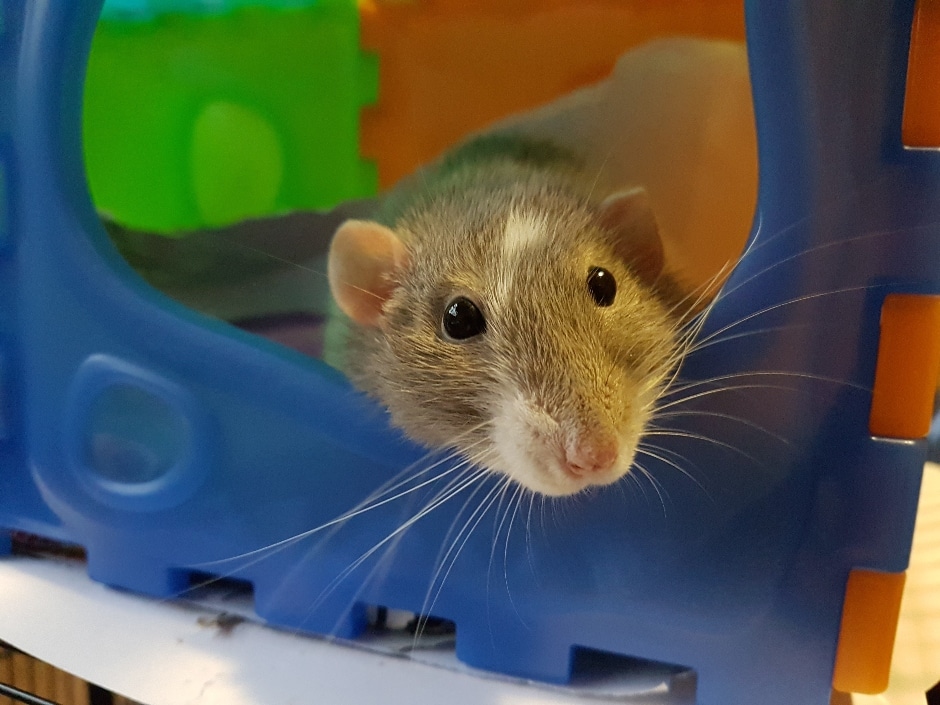
Choosing a pet rat
Once you have decided that rats are for you, be sure to do some advanced planning before going to your nearest store and buying the first rat you see. Purchasing a new pet should never be an impulsive act. Research the aspects of rat ownership and be sure to have a cage, accessories, and the right food ready in advance.
First, examine your lifestyle
Before obtaining a pet rat, think about your lifestyle. Make sure that you have the time to interact daily with your rat. Remember that you will need to thoroughly clean the cage at least weekly. If you travel, be sure that you can either take your rat or provide them with an adequate sitter. Consider whether you have a veterinarian that will see your pet and keep in mind that there will be medical expenses at some time or another in your new pet’s life.
Look around your home and ensure you have an appropriate space for a good-sized rat cage. Rats do much better when they aren’t living in cramped cages or aquariums. The rat’s cage area should be indoors, climate-controlled, away from drafts, stressful noise, and predators. Make sure that you live in a place where pet rats are allowed. Many a rat has become homeless because the landlord, parent, or spouse threatened its owner with an eviction notice.
If you have young children, make sure you can keep a rat in a way that both the rat and the children are safe.
Social considerations
These adorable, intelligent creatures are very sociable and should ideally live in same-sex pairs. Two rats are no more difficult to care for than one and are infinitely more entertaining to watch at play. You can house more than two (same-sex) together if you have a roomy cage. If you have only a male and a female, one or both of the rats can be spayed or neutered so that they may live together.
How many is too many?
Most people start with just a single rat or a pair of rats. But it doesn’t take long for some people to fall under their spell and return to the pet store for just “one more.” And too often the “just one more” turns into 5 or 10 more rats. Be sure to take it slow and not overwhelm yourself with more rats than you can care for.
How to choose a rat
Heath issues – Some important things to look for when choosing a healthy rat are bright, clear eyes, good thick fur (except with hairless rats) and clear breathing. Watch out for things like puffed-up fur, swelling around the face or neck, drainage around the eyes or nose, sores, noisy breathing, sneezing, a foul smell from the ears or mouth, or scabs on the body (parasites). These indicate an illness in the rat and/or the entire colony. If you already have rats, ensure you quarantine your new rats, even if they appear healthy, at a separate location for a minimum of 2-3 weeks to ensure that your resident rats don’t pick up any illnesses.
Temperament – The rat you choose will be your companion for several years, so take the time to handle and interact with the choices before you decide. Some rats are more active than others so try to find one with the qualities you seek. You will want to avoid a rat that is skittish or squeaks whenever touched. Also, avoid taking a rat that shows any signs of aggression.
Male or female – Males are usually larger than females. They tend to be calmer, especially with age, and although some can still be rather active, they make better “lap” pets. As they mature, a small percentage of males will urine mark or show signs of other hormonal behaviours. Though neutering them will sometimes eliminate some of this behaviour, some controversy remains. Males obtained young will generally get along well with each other.
Females tend to be smaller and much more active than the males. They are naturally inquisitive and often are not content to just sit on your lap, preferring to run around checking out their surroundings. Female rats go into heat every 4-5 days. There is no discharge from them as there is in other mammals.
Getting home with your new rat
Once you arrive home with your new furry friend, take it slow so that the rat will not be stressed out. Let the rat get used to his new environment and begin offering treats and handling him carefully. Some rats are shyer than others, but with time and patience, your new rat will come to know and trust you.
Stodels Fish and Pet Centres stock various pet rats and rat accessories. Visit one of our three branches for further advice.
Share with friends

You might also like
Shop online
-

-
Sale!
LABRADOR ADULT 12KG
- Original price was: R1,779.99.R1,423.99Current price is: R1,423.99.
- Add to cart Learn More
-
Sale!
-

-
PLASTIC PLANTER BOX VOLTERA ANTHRACITE 45CM – 55CM
- Price range: R269.99 through R319.99
- Select options This product has multiple variants. The options may be chosen on the product page Learn More
-